

Services

Home / Services

Image

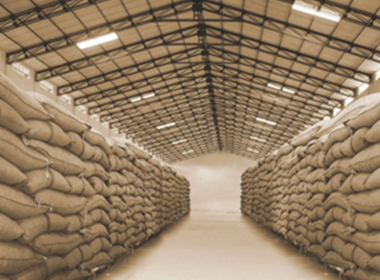
Efficient Log Warehousing for Farmers

Log warehousing offers a vital solution for farmers who deal with timber and other forestry products. By providing a safe and organized space for storage, it helps protect logs from environmental damage and ensures their quality is preserved. Well-maintained warehouses allow for better inventory management, reduce wastage, and facilitate smoother logistics for transportation and distribution. This is especially important for farmers aiming to increase their profitability and operational efficiency. With the right warehousing infrastructure, farmers can ensure the longevity of their products, meet market demands, and contribute to more sustainable agricultural practices.

Get in touch

Image

Why Choose Us

50+ Years of Experience

Decades of expertise in the agriculture industry, ensuring reliable and trusted solutions.

Fast Startup Growth

Learn fast with new challenges.

Impactful Mission Work

Support farmers and sustainability.

Career & Financial Rewards

Earn incentives and promotions.
Smart Farming Solutions for a Better Tomorrow

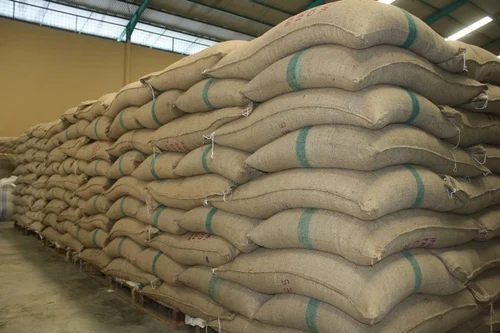
Log warehousing refers to the storage and management of timber or logs in a controlled environment before they are processed or transported to mills. This process is crucial for maintaining the quality and condition of the logs, especially during the wet seasons.

Log warehousing provides significant benefits, including protection from environmental factors like rain, pests, and rot. By storing logs in a warehouse, companies can ensure that the timber remains in good condition, preserving its value for further processing.

Proper inventory management is essential in log warehousing to track the quantity and quality of logs stored. Using advanced systems like barcoding or RFID tracking can help streamline the process and ensure that logs are easily accessible when needed.

There are various storage solutions for logs, such as stackable storage, racked storage, and even climate-controlled warehouses. Each type has its advantages depending on the kind of logs being stored, climate conditions, and the intended processing method.

Log warehousing often works in conjunction with transportation solutions to streamline the supply chain. Efficient transportation to and from the warehouse ensures that logs are delivered in a timely manner, reducing the risk of delays and optimizing the logistics process.

Log warehousing must be managed with environmental considerations in mind. Sustainable practices, such as reducing water and energy consumption, ensuring proper waste management, and preventing contamination, help minimize the environmental impact of storing logs.

Some of the challenges in log warehousing include space constraints, seasonal variations in log quality, and the need for specialized equipment. Addressing these challenges requires effective planning, adequate resources, and up-to-date technology to ensure smooth operations.

With advances in automation and technology, the future of log warehousing looks promising. Smart warehouses that use IoT devices for real-time tracking and automated systems for inventory management will improve efficiency, reduce human error, and enhance overall productivity in log warehousing operations.
Log Warehousing Image

Our 5 Pillars of Farmer Empowerment

Subscribe To Our Newsletter

Advanced sensors and drones help track crop health, detect diseases, and optimize growth.